Many homeowners in Surprise, AZ love the convenience of a gas fireplace. Flip a switch, get instant flame, and enjoy steady heat without hauling wood. When it fails to ignite or the flame sputters, the evening plans change fast. The single most common problem a technician sees with gas fireplaces is a dirty or failing pilot assembly, often tied to a clogged pilot orifice or a weak thermocouple or thermopile. In plain terms, the small components that tell the gas valve “it’s safe to run” stop doing their job. Dust, pet hair, and the Valley’s fine desert debris collect in tight spaces. Over time, heat cycles harden gaskets and wiring. The result is no ignition, frequent shutdowns, or a weak flame.
That pattern shows up across models, from traditional gas logs to direct-vent and vent-free units. It is even more common in homes where the fireplace sits idle for months and then gets used frequently in short bursts once temperatures drop in Surprise and surrounding neighborhoods like Marley Park, Rancho Gabriela, and Sun City Grand. The good news: a focused inspection and cleaning often fixes it. When components have aged out, a proper repair brings the fireplace back to safe, reliable operation.
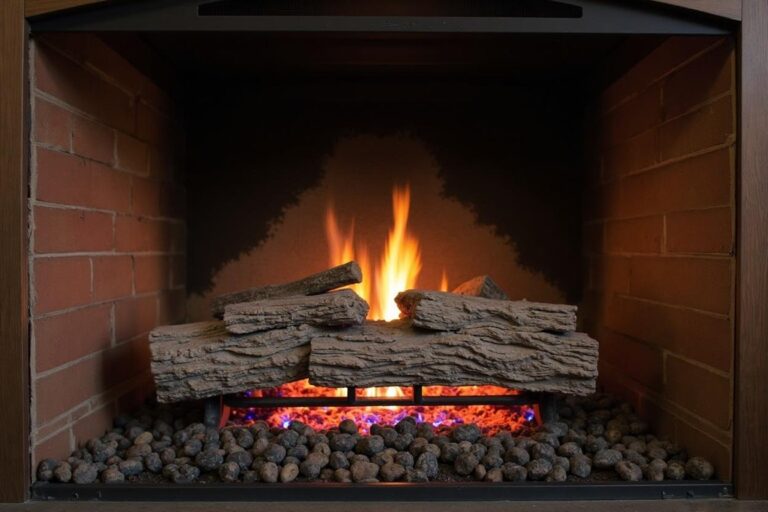
Why the pilot assembly causes the most headaches
A gas fireplace relies on a small, steady pilot flame to prove it is safe to open the main gas valve. The pilot assembly includes three small but critical parts. The pilot orifice feeds the tiny flame. The thermocouple or thermopile sits in that flame and generates a small electrical signal. The gas valve listens for that signal before allowing the burners to light. If any part of that chain gets dirty or weak, the fireplace shuts down or never starts.
In Surprise, AZ, dust accumulates faster than many homeowners expect. Air returns, ceiling fans, and open windows move fine particulate into the firebox. Even with glass doors, gaps let in debris. That debris narrows the pilot orifice and insulates the thermocouple from the flame. When the flame shrinks or wavers, the safety signal drops and the fireplace clicks off. The homeowner hears the igniter snapping or the control board clicking but sees no flame or a flame that dies a few seconds later.
Thermocouples and thermopiles also lose strength over time. They sit in heat every time the fireplace runs. After five to ten years, they often produce less voltage. A marginal part may work on a mild morning and fail on a colder night when gas pressure and temperatures shift slightly. That on-again, off-again behavior frustrates homeowners because it seems random. An experienced technician reads the voltage, compares it to spec, and can tell if replacement is due.
Symptoms that point to pilot and sensor issues
Several behaviors tend to mean the pilot assembly or its sensors need attention:
- The fireplace lights, burns for a few seconds, then shuts off. The spark clicks repeatedly but the pilot will not stay lit. The pilot lights but the main burners never engage. The flame looks thin, noisy, or pulls away from the sensor. There is a faint gas smell on startup that clears quickly, followed by no ignition.
One or two of these by themselves can have several causes. Together, they almost always lead to the pilot assembly. In practice, technicians often find a combination: a partially clogged pilot orifice plus a tired thermopile that barely meets minimum voltage.
Other common issues worth considering
While the pilot assembly tops the list, gas fireplaces in Surprise see a few other frequent problems. Gas pressure fluctuations from seasonal demand, aging gas valves, dirty burners, and blocked vents all show up regularly. Homeowners also run into wall switch and remote control failures, especially when batteries die or connections loosen.
Dirty burners create uneven flame patterns, noisy operation, and soot on the glass. A blocked intake or exhaust on a direct-vent unit causes safety sensors to shut everything down. On vent-free units, improper air mixture can lead to odors and clouded glass. These are fixable issues, but they require a careful eye for safety and manufacturer specifications.
Quick homeowner checks before calling for service
A homeowner can safely try a few simple checks that do not open the gas train or disturb critical seals:
- Confirm the gas supply is on and that the shutoff valve near the fireplace aligns with the gas line. Replace remote or thermostat batteries, and test the wall switch if the unit uses one. Make sure the glass is fully latched and any access panel is secure. Many units have safety switches that interrupt operation if the glass is not sealed. Look for obvious vent obstructions on direct-vent units, such as nests, leaves, or wind caps that shifted. Verify the fireplace is not in a lockout state. Some controls need a full power cycle at the breaker or a reset per the manual.
If the fireplace still fails, it is time for professional help. Pilot assemblies and gas valves involve safety-critical parts. Cleaning or replacing them requires the right tools and test equipment.
What a proper gas log fireplace repair looks like
A solid service call for gas log fireplace repair in Surprise, AZ follows a clear sequence that saves time and avoids repeat visits. A trained technician starts with visual inspection, then moves to measurements and targeted cleaning or component replacement.
A typical visit includes removing the glass, checking the firebox and media placement, and inspecting the pilot flame shape. The pilot flame should be steady, mostly blue with a soft yellow tip, and it should wrap the thermocouple or thermopile. If the flame is weak or off-center, the technician cleans the pilot orifice with appropriate tools, not a paperclip that can widen the opening. The tech then measures thermocouple or thermopile output under flame. If the voltage falls below the manufacturer’s range, the part is replaced.
Burners are vacuumed, ports are brushed, and any spider webs or soot are removed. Valves and fittings are checked for leaks with a non-corrosive gas leak solution. If the unit is direct-vent, the technician inspects the venting indoors and outdoors to confirm clear airflow and correct assembly. Finally, the tech tests ignition, watches a full heat cycle, and verifies that safety shutdown works as intended.
On older units, upgrades such as new ignition modules or replacement gas valves can restore reliability and improve ignition speed. For vent-free fireplaces, oxygen depletion sensors are checked along with gas log fireplace repair Surprise AZ carbon monoxide alarms in the home.
Why Surprise, AZ fireplaces see specific wear patterns
Local conditions shape how gas fireplaces age. Surprise experiences dusty winds and large temperature swings from day to night during cooler months. Families often run fireplaces in shorter sessions, which means more frequent ignitions. That extra cycling ages igniters and sensors faster than continuous runs. Open floor plans with ceiling fans can also disturb pilot flames if intake air paths are restricted or if glass gaskets leak slightly.
Homes near ongoing construction or in neighborhoods like Sierra Montana and Asante may collect more fine dust. The dust entry points are subtle: under the trim bezel, through weak door gaskets, and around the gas line penetration. Those small pathways add up. Regular maintenance adjusts for local conditions by cleaning more thoroughly and checking seals that would be ignored in milder climates.

Safety never takes a back seat
Gas fireplaces are safe when installed and serviced properly. The built-in safeties do their job by shutting down when something is off. That is why so many calls involve no ignition or brief flames that die. It is the appliance protecting the home. Bypassing safeties, taping sensors in place, or opening orifices with improvised tools can turn a small problem into a dangerous one.
A carbon monoxide detector should sit on each level of the home and near sleeping areas. Glass doors can reach temperatures high enough to burn skin, so a screen in homes with children or pets is a smart addition. When a fireplace smells strongly of gas or emits soot after a recent service, it needs immediate attention. A reputable local company addresses those concerns without delay.
Repair or replace parts: how technicians decide
Not every pilot-related issue requires new parts. If a unit is under eight years old and the pilot flame looks healthy after cleaning, reuse is often fine. If the thermopile voltage reads low and the flame quality is correct, replacement makes sense. Gas valves usually do not fail in the first decade unless exposed to moisture or poor gas quality. Ignition modules and spark igniters tend to fail in clusters around the 8 to 12-year mark.
Access matters too. Some fireplaces allow simple part swaps. Others require removing logs, burners, and panels, which adds time. A clear quote should explain labor along with parts and show the path that provides the best value. Most homeowners choose reliability over risking another cold night.
How often service should happen in Surprise
Annual service before the cooler season is a wise schedule for most households. For homes with heavy dust, pets, or renovations, twice-yearly checks catch buildup before it causes shutdowns. The service should include pilot cleaning, burner inspection, gasket checks, vent inspection, glass cleaning with the proper solution, and a combustion check if applicable. That hour of attention avoids mid-season breakdowns and extends the life of the fireplace.
Some homeowners ask about DIY cleaning sprays or compressed air. Spraying the wrong cleaner can stain glass or damage finishes. Compressed air can push debris deeper into orifices and valves. The careful way is slower but safer: a small brush, a vacuum with a soft tip, and the right pick tools, followed by measurements to confirm proper operation.
What this means for gas log fireplace repair near you
Homeowners searching for gas log fireplace repair near me want fast, reliable help with clear pricing. They want technicians who respect the home, explain findings plainly, and leave the unit better than they found it. In Surprise, AZ, that also means showing up with parts in stock for common brands found in local tract and custom homes.
Grand Canyon Home Services takes a local-first approach. The team knows which models fill homes in Marley Park, Surprise Farms, and Greer Ranch, and carries the pilot assemblies, thermopiles, igniters, and glass gaskets that fail most often. They also document gas pressures seen during peak winter usage and watch for patterns that affect certain subdivisions.
Cost ranges homeowners can expect
For a straightforward pilot cleaning and adjustment, costs usually fall at the lower end of a service call fee plus minor labor. When a thermocouple or thermopile needs replacing, the total generally increases to account for parts and additional testing. Gas valve or ignition module replacement sits higher due to parts pricing and the time required to set up and test. While exact numbers depend on the make and model, most Surprise homeowners see pilot-related repairs land in a reasonable range that is far less than replacing the entire unit.
Quotes should explain what failed and why, show readings before and after, and list parts with warranties. Good documentation helps at resale and with warranty claims.
Real-world example from a Surprise home
A family in Rancho Gabriela called for no-ignition after the first chilly weekend. The fireplace clicked, the pilot sparked, but the flame never stayed. The technician found a weak, wandering pilot flame that barely touched the thermopile. Dust coated the pilot hood, and the orifice had a small obstruction. After cleaning the pilot and adjusting the air shutter, the pilot flame wrapped the sensor as it should. Voltage rose into the normal range, and the main burner lit consistently. The visit wrapped with burner cleaning and a check of the glass gasket, which had flattened with age. Replacing the gasket improved combustion and stopped a small draft that had been pulling the pilot off center.
The entire call took just over an hour, the cost stayed within the service call plus standard maintenance, and the fireplace has worked daily since.
When replacement becomes the smarter choice
Some fireplaces reach an age or condition where repeated repairs do not make sense. If heat exchangers show cracks on certain units, if parts are obsolete, or if the firebox is rusting from water intrusion, replacement is the better move. Energy efficiency and ignition technology have improved. Newer direct-vent models light faster, modulate flame better, and keep glass cleaner.
A straight swap can often reuse venting if it is in good shape and meets current codes. In Surprise, permitting is straightforward, and many replacements finish in a day. A reliable local installer handles vent terminations so wind gusts from desert storms do not affect draft, and they position wall controls where they avoid heat soak.
Preventative habits that actually help
A few simple habits reduce service calls without compromising safety:
- Run the fireplace for 10 to 15 minutes once a month during the off-season. This keeps valves, seals, and sensors exercised. Keep the area around the fireplace dusted and vacuumed, including under the firebox if accessible. Replace remote and thermostat batteries every fall, even if they still work. Keep decorative media, embers, and logs in the exact layout shown by the manufacturer. Incorrect placement can block pilot flames and burner ports. Schedule annual service before the first cold snap so parts are available and you avoid peak-season delays.
These steps are small, but they slow the buildup that causes the most common failures.
Why homeowners in Surprise choose a local specialist
A general plumber or handyman can miss fireplace-specific issues that a dedicated gas log technician sees instantly. Pilot flame geometry, manufacturer-specific voltage targets, and vent pressure behavior under wind load are learned through repeated local jobs. A local team also knows which HOA guidelines affect vent terminations and which brands are common in particular builders’ homes.
Grand Canyon Home Services focuses on gas log fireplace repair Surprise AZ, which means fast diagnosis and clean, code-compliant fixes. The company schedules around school pickups and work hours, calls ahead, and arrives with shoe covers and drop cloths. Technicians explain in plain language, show measurements on the spot, and leave the glass and surrounds clean.
Ready to fix the most common problem, fast
If the fireplace in a Surprise home lights and dies, clicks without flame, or shows a weak, flickering pilot, the pilot assembly likely needs attention. That is the most common issue, and it is fixable the same day in most cases. A professional cleaning, sensor test, and part replacement where needed restores safe, steady heat.
Homeowners searching for gas log fireplace repair near me can call Grand Canyon Home Services for same-week scheduling across Surprise, from Sierra Verde to Mountain Vista Ranch. The team will check the pilot, measure the sensors, clean the burners, and verify vent function. The visit ends with a reliable light-up and clear advice on what to monitor. Book today to get the fireplace ready for the next cool evening and keep it working through the season.
For more than 20 years, Grand Canyon Home Services has been the trusted choice for heating, cooling, plumbing, and electrical work in Surprise, AZ. Our team is committed to reliable service delivered with honesty and care, always putting your comfort first. From routine maintenance and repairs to system upgrades and installations, we provide safe and dependable solutions tailored to your home’s needs. Customers count on us for clear communication, free second opinions, and service that treats every household like family. When you need HVAC, plumbing, or electrical services in Surprise, Grand Canyon Home Services is ready to help.
Grand Canyon Home Services
15331 W Bell Rd Ste. 212-66
Surprise,
AZ
85374,
USA
Phone: (623) 444-6988
Website: https://grandcanyonac.com/surprise-az
Instagram: https://www.instagram.com/grandcanyonhomeservices/
X (Twitter): https://x.com/GrandCanyonSvcs